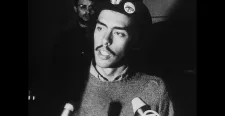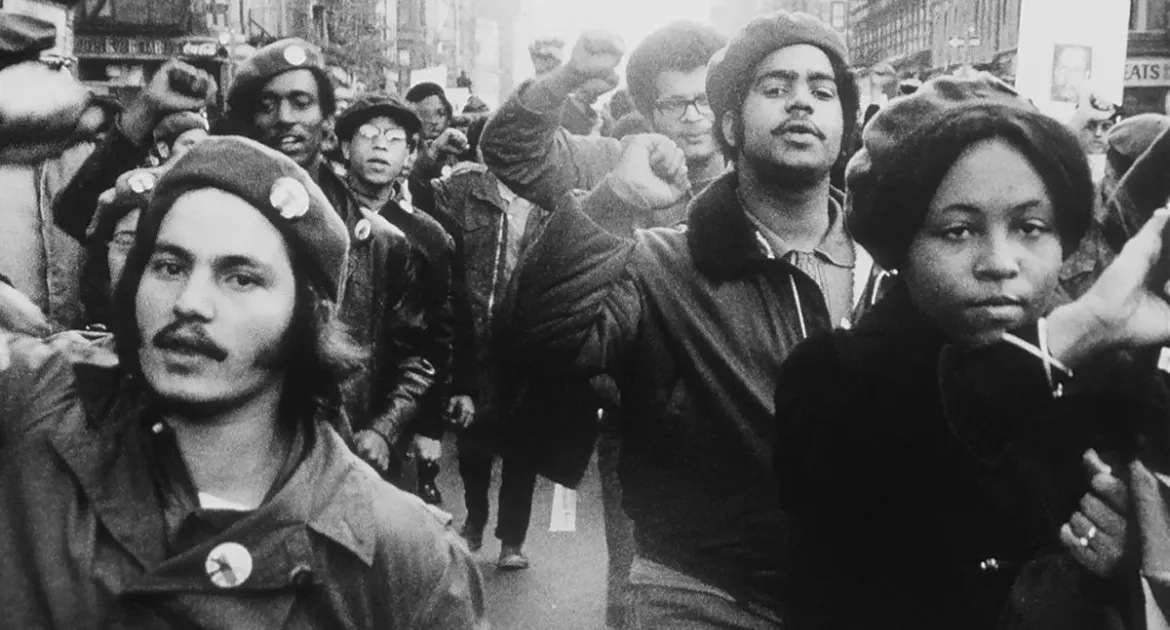
The Newsreel film collective, founded in New York in late 1967, produced more than sixty films over the following five years, documenting some of the major social conflicts of the time: the anti-Vietnam War movement, the rise of feminism, Black and Latino organisations and urban conflicts over housing, healthcare and employment. Aligned with radical student and youth movements, anti-war groups and the Black Power movement, the group explicitly described its aim as using films and other propaganda to support the revolutionary movement.
Its films stem from dissatisfaction with traditional media. Faced with a television landscape that simplified or outright concealed these processes, Newsreel offered a form of cinema closely linked to the movements themselves, produced from within and intended for circulation at universities, community centres and activist networks. A space where activism blended with documentary practice.
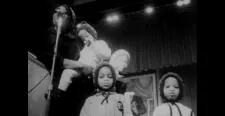
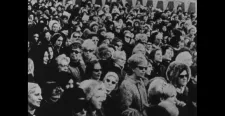
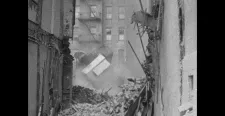
This programme brings together a series of works that offer insight into various aspects of that historic period. Columbia Revolt recounts the 1968 occupation of Columbia University and the subsequent police crackdown. Chicago Convention Challenge documents the protests against the Democratic National Convention that same year, showing the escalation of violence between demonstrators and law enforcement. Jeanette Rankin Brigade and The Woman’s Film capture some of the early moments of the feminist movement, from anti-war demonstrations to awareness-raising groups in which women began to formulate a shared critique of their situation. In the context of racial and community struggles, I.S. 201 and Report from Newark and El pueblo se levanta highlight organising efforts within Black and Puerto Rican communities, linked to demands for education, public services and community control. Finally, Garbage and Break and Enter focus on urban conflicts. Waste management and access to housing emerge as key political issues, with various communities taking direct action in response to institutional inaction.

 DocumentaMadrid