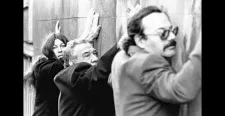
Marilú Mallet forms part —together with Angelina Vázquez and Valeria Sarmiento— of a generation of women filmmakers who made their first films during Salvador Allende’s Popular Unity government (1970-1973). Her work, from a hybrid practice situated at the border between fiction and documentary, explores the power of cinema to examine complex, uprooted or transient identities.
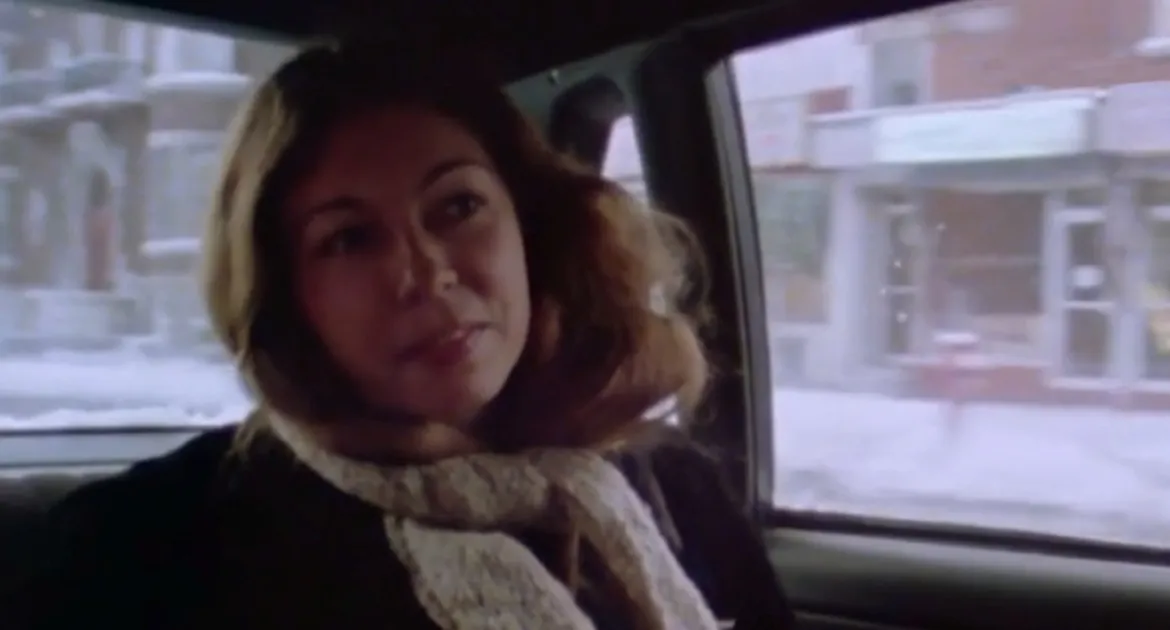
The Chilean coup d’état of September 1973 not only brought an end to part of Chile’s film heritage. The ability to make, distribute and screen films in Chile was also severely curtailed: film schools were closed and a regime of terror, control and censorship was imposed. Mallet, an architect by training, had by then made the film Amuhuelai-mi (1972), produced by Chile Films and centred on a portrait of Mapuche communities and their historical territorial claims. With the establishment of the military dictatorship, the filmmaker went into exile in Canada and, from there, built up a body of work that highlights the political power of the cinematic portrait. In 1975, she contributed the medium-length film Lentement to the collective film Il n’y a pas d’oubli, produced in Canada as a matter of urgency by three young Chilean exiles. Against the objectivist aspirations of documentary realism, Marilú Mallet created, in Journal inachevé (1982), one of the most extraordinary portraits in Chilean cinema in exile. Through a self torn between two places (Chile and Canada) and multiple identities (mother and daughter, woman and artist), the filmmaker develops, through a diary-like format, an entire poetics of displacement that asserts itself as open and continually unfolding.
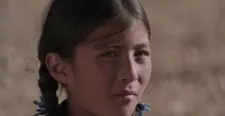
Although she is best known for her pioneering work with the first person and its fictional offshoots within documentary, Mallet has also made, with keen political sensibility, films about communities resisting forced industrialisation. In the late 1970s, she travelled to Nicaragua to shoot El Evangelio en Solentiname, a portrait of the poet and priest Ernesto Cardenal. In 1985 in Peru, she filmed Andahuaylillas. Memorias de una niña de los Andes. After a decade away from filmmaking, she returned to cinema in 2000 with Double Portrait, an exploration of her relationship with her mother, the painter María Luisa Señoret, who had already made an appearance in Diario inacabado. In 2015, she returned to Chile to shoot Geografía personal, a road movie that explores, through the inescapable tension of exile, the relationship between landscape, memory and identity.
Marilú Mallet says she has always sought to ‘push the techniques of fiction within the documentary’. That celebrated dissonance recalls the plight of the exile. In Mallet’s films, we see a figure torn between body and space, voice and camera, moving through corridors or landscapes, Chile and Canada, patriarchal power and female autonomy, the French and Spanish languages. This constant tension translates into images of an unruly political force, which go beyond mere documentation and give shape to a whole body of thought centred on the notion of subject and portraiture. The programme also features films by Valeria Sarmiento and Angelina Vázquez, contemporaries of Mallet who likewise built their filmographies from exile.
Pablo Caldera, member of Documenta Madrid 2026 selection committee.

 DocumentaMadrid