DocumentaMadrid


Journalistic work during the years of the Spanish Transition was shaped by photojournalists who documented a period of political and social change in Spain. Among these figures, the name of José Luis de Pablos stands out. As a chief photographer at the magazine Cambio 16, his career reflects the challenges of practising journalism in a context of transformation and tension.
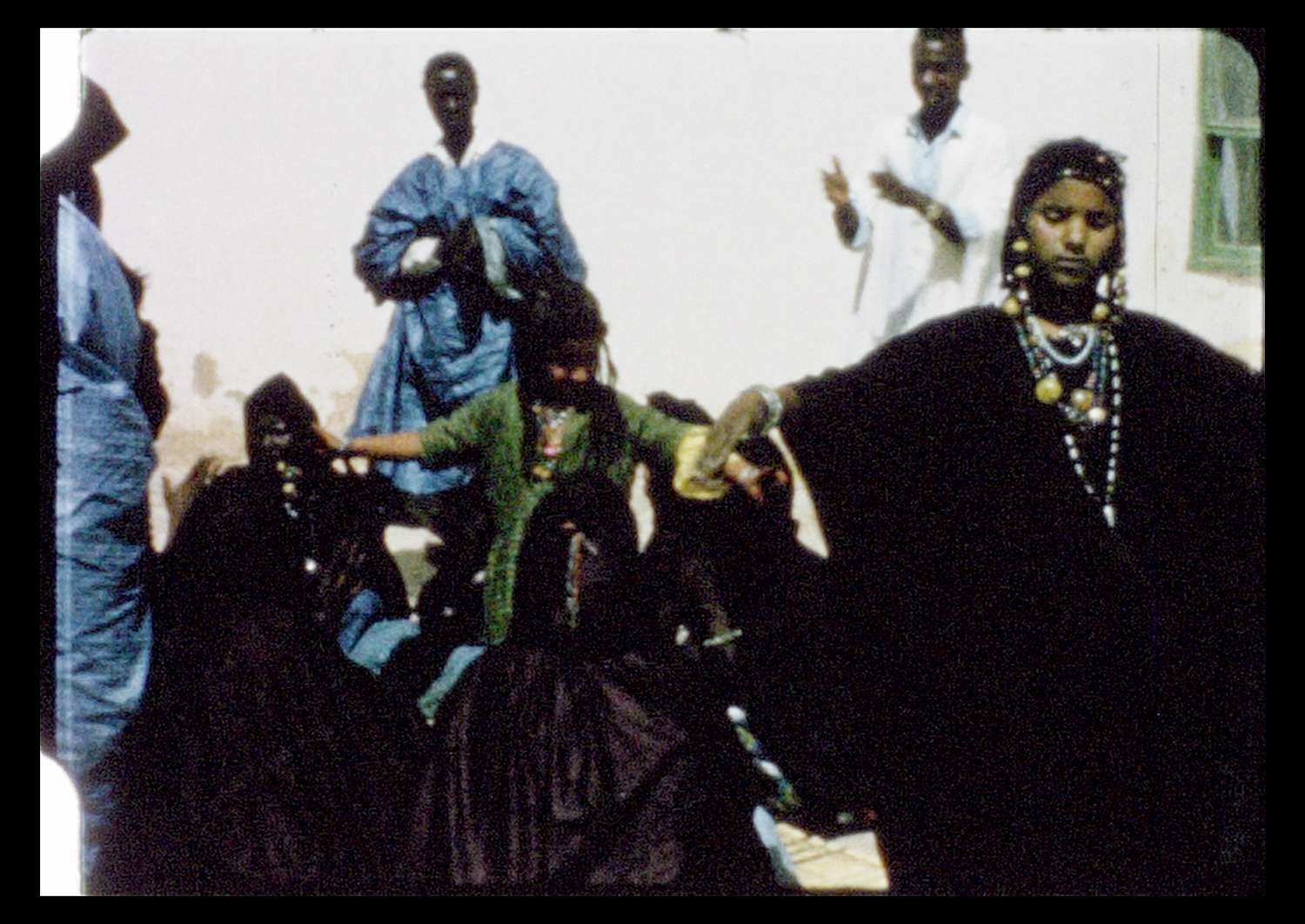
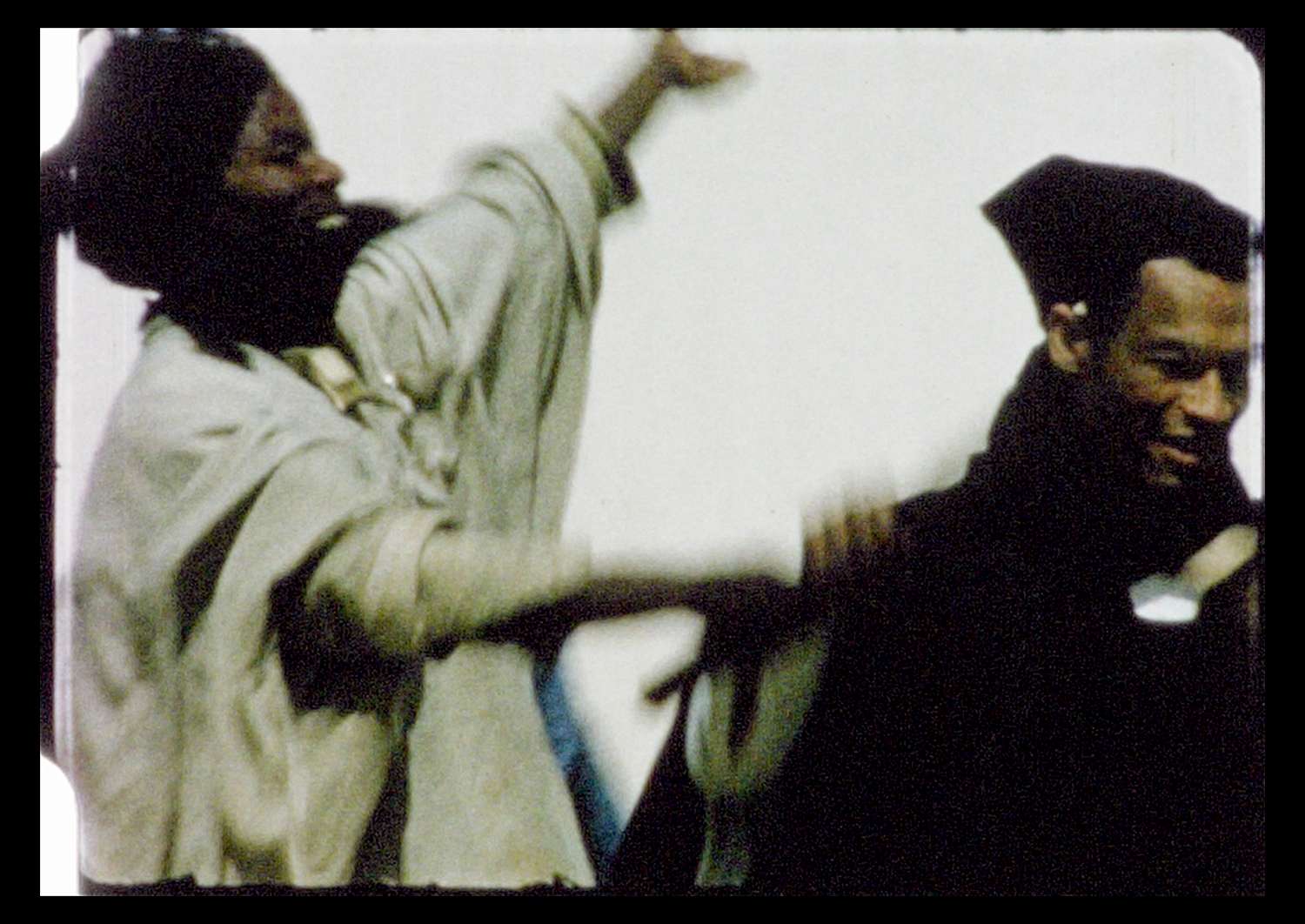
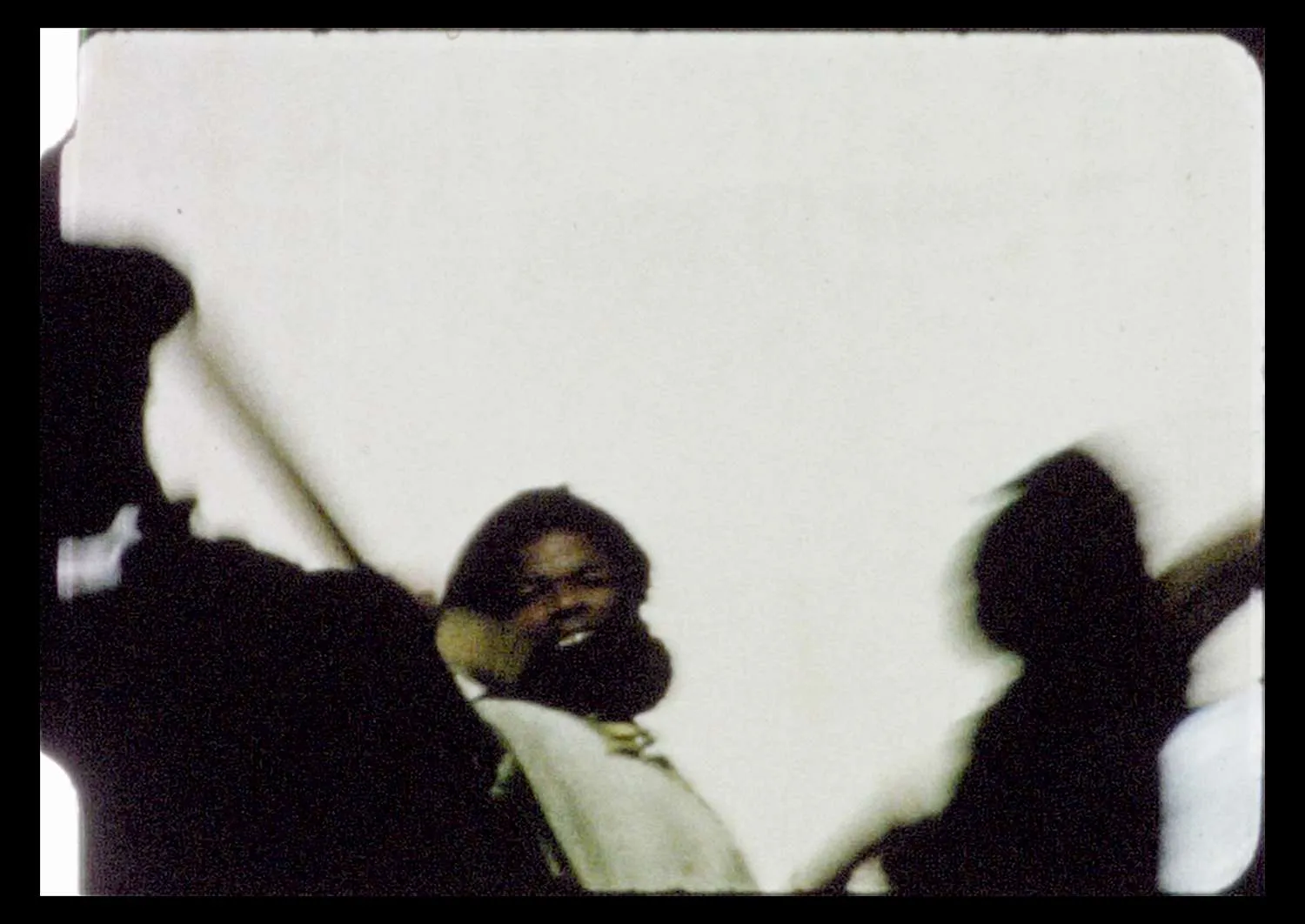
The personal archive of José Luis de Pablos comprises over 70,000 negatives and slides, hundreds of U-Matic and Betacam tapes, as well as some 16 mm and 8 mm footage, covering hundreds of subjects and constituting a visual heritage of great historical value. In addition to covering the major historical milestones in our country, José Luis de Pablos worked as a photojournalist in various colonial conflicts in Africa — Algeria, Zaire, Equatorial Guinea, Western Sahara and Angola — which took place during the 1970s.
Among the various scenes he has captured through his lens, the conflict in Western Sahara occupies a central place in the graphic work of this reporter. He has documented fifty years of the Sahrawi people’s struggle for self-determination.
In 1974, De Pablos and the reporter Ander Landaburu arrived in the Sahara, witnessing the final months of the Spanish presence in the territory. During his stay, he gained privileged access to both the Spanish military and the Sahrawi guerrillas, who, after earning their trust, allowed him to document their clandestine activities. On 6 November 1975, De Pablos provided extensive coverage of the Green March, witnessing the withdrawal of the Spanish army and the gradual Moroccan invasion. The archive of José Luis de Pablos is the most meticulous and long-standing testimony that survives today, largely still unpublished.
Over the past year, through collaboration with Arde Archivo and the ECAM, have been able to carry out an initial intervention focused on the video collection dedicated to the history of Western Sahara.